
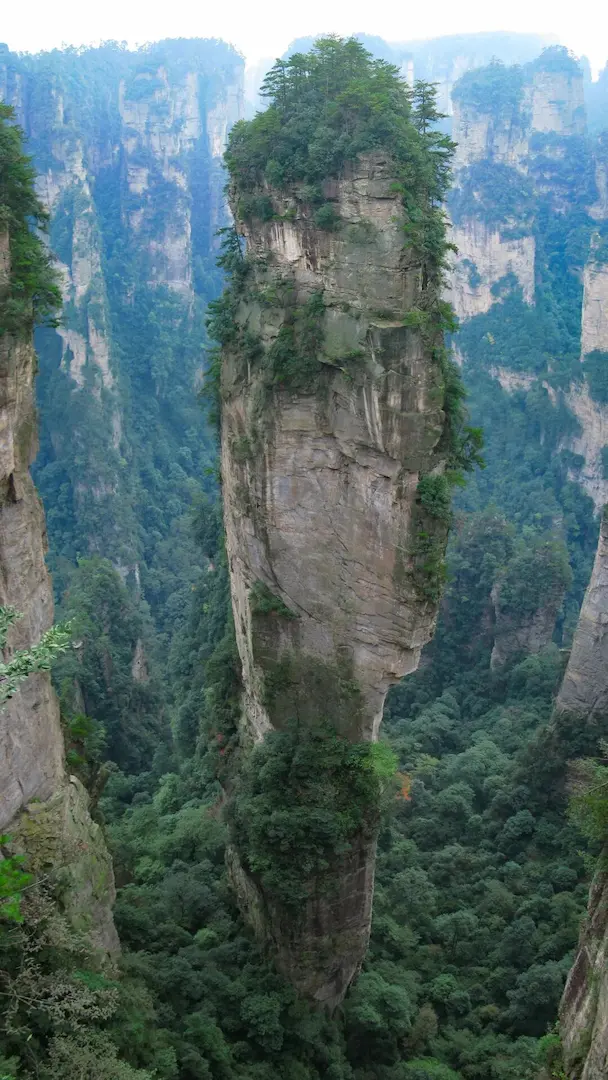
Avatar Hallelujah Mountain Zhangjiajie China: Your Ultimate Guide to the Real-Life Pandora
1.First Glance: Why This Place Feels Like Another World
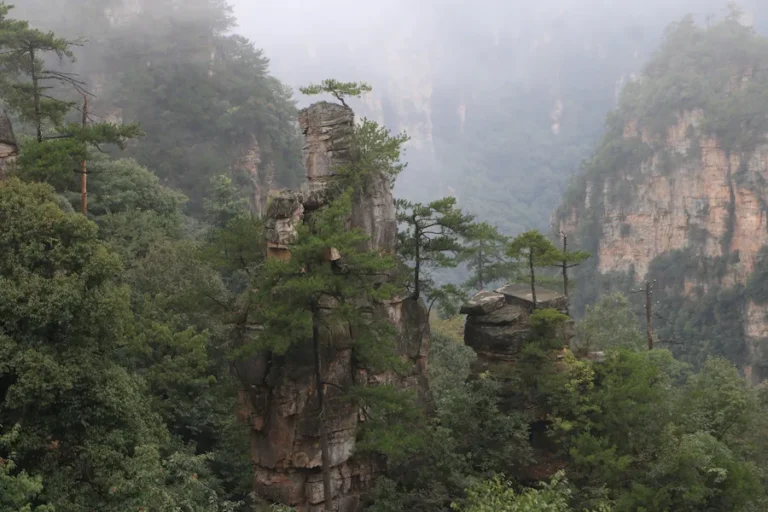
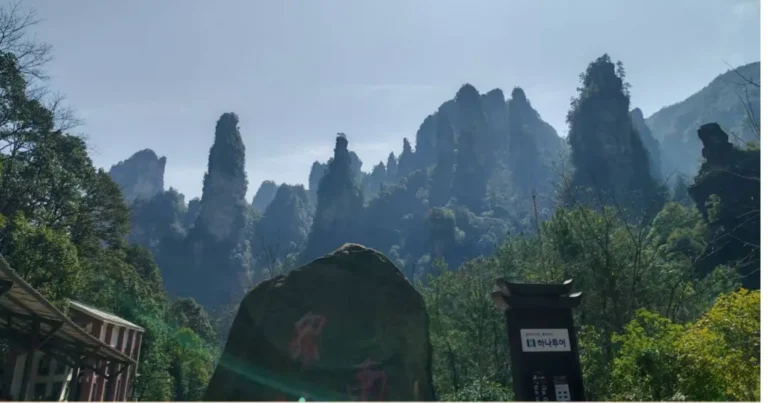
The moment you set eyes on Avatar Hallelujah Mountain Zhangjiajie China, you’ll understand why filmmaker James Cameron chose this spot as the inspiration for the floating peaks in Avatar. This is no CGI creation—it’s a real-world landscape of more than 3,000 quartz-sandstone pillars rising sharply from the earth, and it sits at the heart of one of the most famous zhangjiajie attractions. It’s a natural wonder, a national forest park, and a UNESCO World Heritage site all in one.
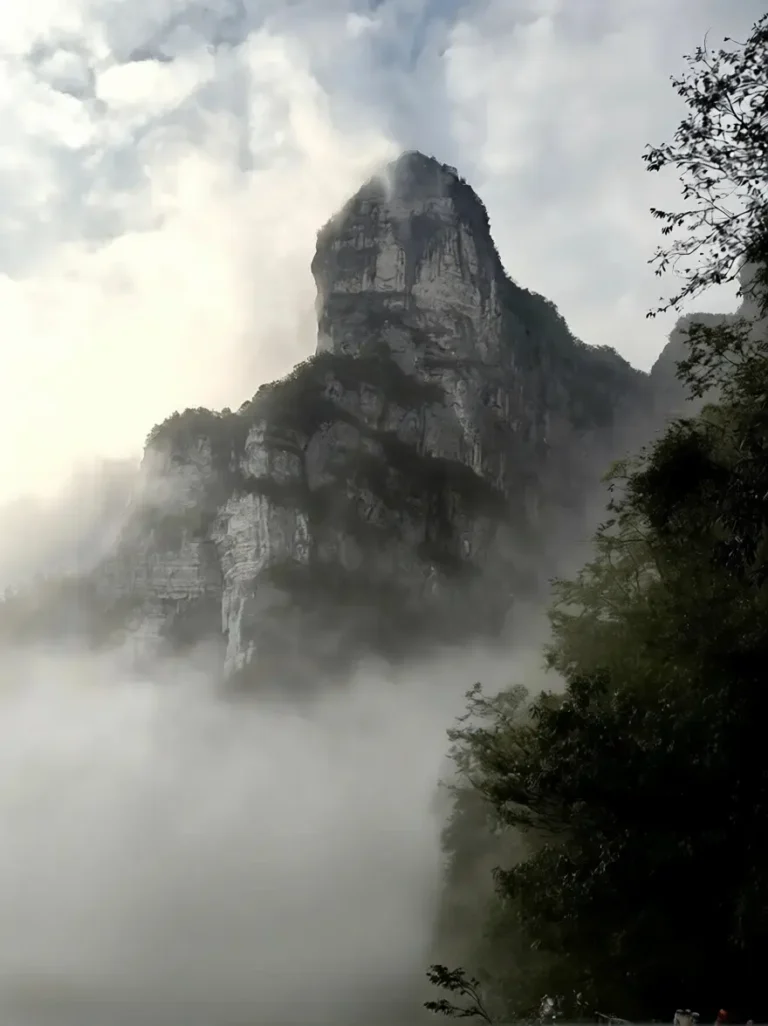
Best time to visit: Any season works. Spring brings flowers, summer offers cool mountain air, autumn delivers clear blue skies, and winter can dust the peaks with snow. For that famous “floating mountain” feeling—the very essence of Avatar Hallelujah Mountain Zhangjiajie China—come early morning or late evening after a rain. That’s when the clouds roll in and the peaks seem to hover.
How long to stay: Plan for 2 to 3 days to truly explore the core area.
Opening hours:
Peak season (March 1 – November 30): 7:00 am – 6:00 pm (last entry 5:00 pm)
Off season (December 1 – February 28): 8:00 am – 5:00 pm
Ticket (package pass): Includes entry and the eco-friendly shuttle bus. Valid for 4 days with multiple entries.
Peak season: 224 RMB (approx. 31 USD) for adults; discounted rate around 113 RMB (approx. 16 USD) for youth/seniors; seniors over 65 pay 30 RMB (approx. 4 USD); kids under 13 enter free (just a 3 RMB insurance fee).
Off season: 144 RMB (approx. 20 USD) for adults; discounted rate around 72 RMB (approx. 10 USD); seniors over 65 still 30 RMB (approx. 4 USD); kids under 13 free with the small insurance fee.
Location: Inside Zhangjiajie National Forest Park, Wulingyuan District, Zhangjiajie City, Hunan Province, China.
2.How This Real-Life Pandora Came to Be
The landscape you’re about to walk through took nature 380 million years to carve. What you see today—the towering pillars, the deep valleys—is the result of ancient quartz sandstone shaped by water and time. Long before the cameras arrived, this land was home to the Tujia people and other ethnic groups. One of the most iconic spots, Tianzi Mountain, is actually named after a respected local Tujia leader whom villagers called “King Xiang.”
Then came 2009. When Avatar hit the big screen, the world suddenly wanted to know where those floating mountains came from. Director James Cameron had found his inspiration right here. After the film, one pillar in particular—Qiankun Zhu (also called the Southern Sky Column)—became globally known as the real-world Avatar Hallelujah Mountain Zhangjiajie China. That connection turned this park into a must-visit for travelers who want to stand inside a movie scene.
3.What You Absolutely Cannot Miss
Zhangjiajie National Forest Park is massive, so here’s where to focus your time.
Yuanjiajie – The Heart of the Avatar Experience
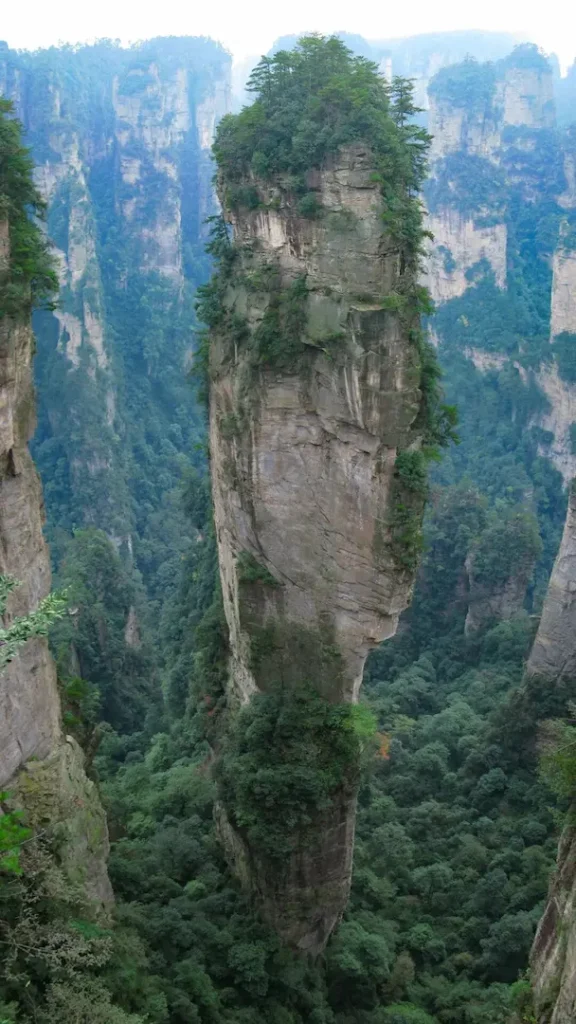
Qiankun Zhu (the Real Hallelujah Mountain): This is the one. A 1,000-meter-plus pillar covered in green at the top, standing alone like something from another planet. Stand on the viewing platform, take a deep breath, and snap that photo—maybe even strike a Na’vi pose. This is the very pillar that gave Avatar Hallelujah Mountain Zhangjiajie China its worldwide fame.
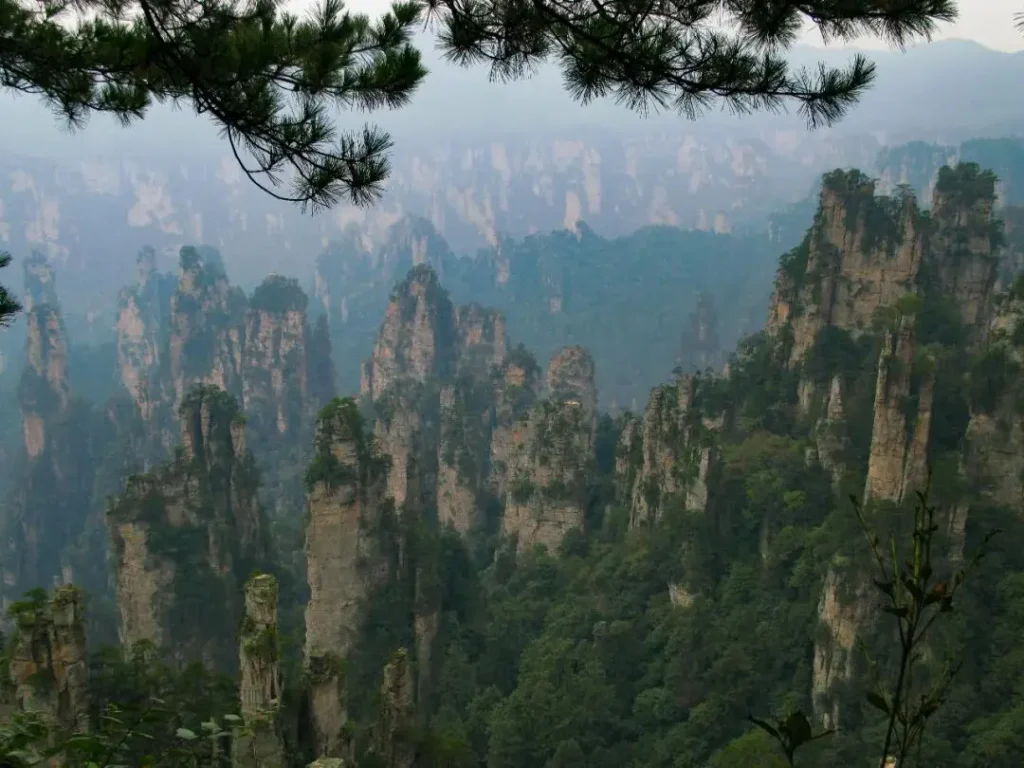
Mihun Tai (Soul-Stealing Terrace): The best place to get that “floating” feeling. When the mist moves between the pillars, you’ll swear you’re on Pandora. Hundreds of peaks spread out before you like a stone forest. From this angle, Avatar Hallelujah Mountain Zhangjiajie China looks even more surreal.
World’s First Bridge: A natural stone bridge connecting two peaks. Walk across it and look down—clouds often drift below, making it feel like a scene from the movie.
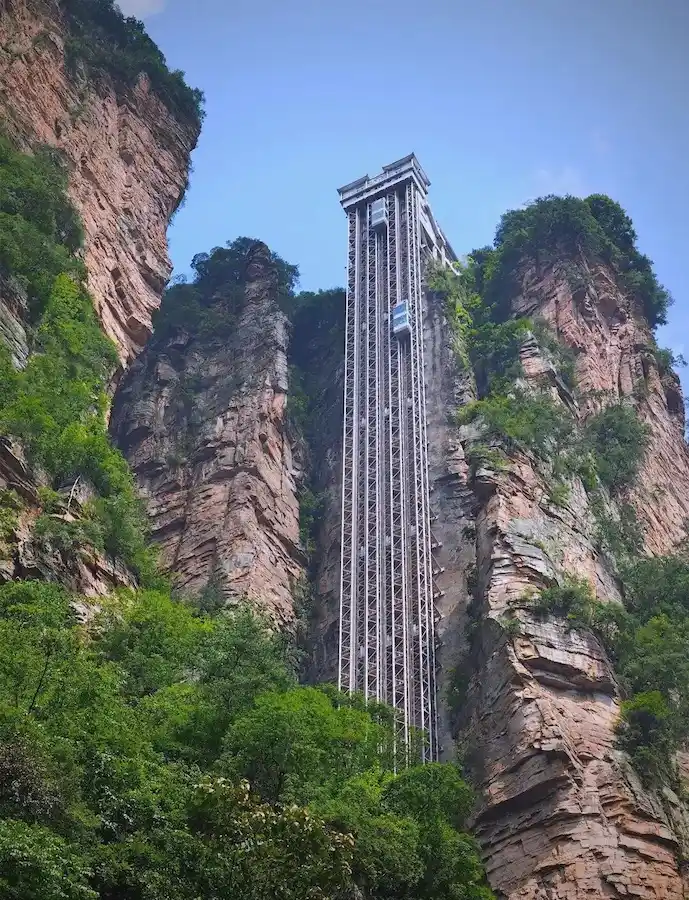
Getting there: The easiest way up is via the bailong elevator in zhangjiajie china from the east entrance (also called the Gate of Signs). It’s the world’s tallest outdoor elevator—just 1 minute and 58 seconds to rise through the cliffs. A one-way ride costs 65 RMB (about 9 USD).
Tianzi Mountain – Nature’s Viewing Platform
Xihai Stone Forest: A sea of stone pillars packed into a deep valley. From the Yunqingyan viewing platform, you can catch four famous sights: the peaks themselves, the cloud sea, sunrise, and winter snow.
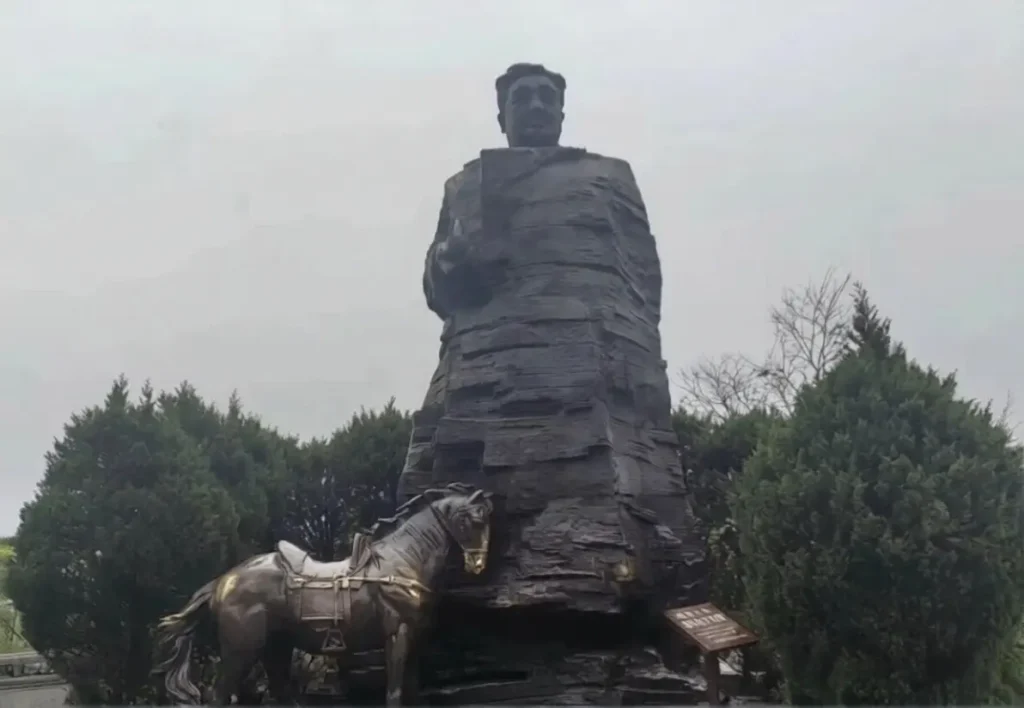
He Long Park: Named after a local military leader from the nearby Sangzhi County. You’ll find one of China’s largest bronze statues here—it’s a quiet spot that adds a layer of local history to your trip.
Shentang Bay: The most mysterious spot in the park. A deep, unexplored valley that locals say no one has ever reached the bottom of. Stories and legends still swirl around this place.
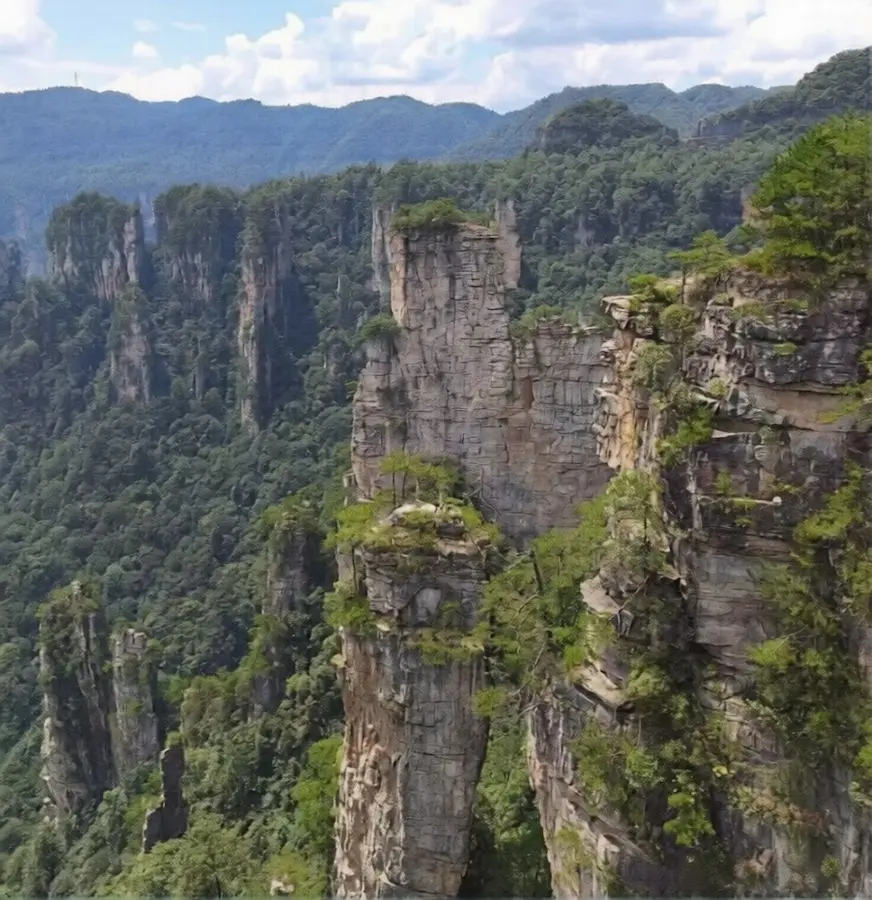
Dianjiang Tai (General’s Platform): Looking down from above, the peaks below stand in neat rows like soldiers ready for battle. The view feels grand and dramatic.
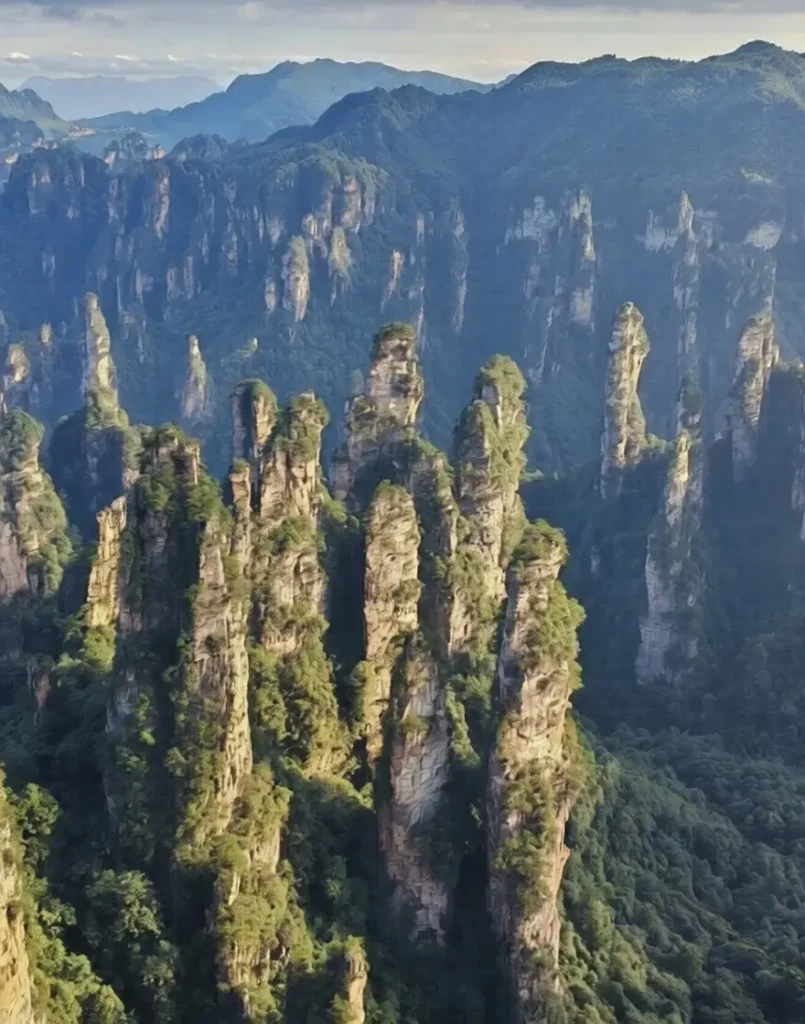
Getting there: Take the Tianzi Mountain cable car. The ride itself is part of the experience—you’ll glide over the peaks and into the heart of the scenery.
Other Ways to Experience the Park
Golden Whip Stream (Jinbian Xi): A peaceful walk along a clear stream, with towering pillars on both sides and birds calling through the forest. Perfect for when you want to slow down and be close to nature.
Ten-Mile Gallery: A scenic valley where you can hop on a small sightseeing train or walk. Look for rock formations named after what they resemble—like the “Old Man Gathering Herbs” and “Three Sisters Peaks.”
Yangjiajie: Less crowded and a bit more rugged. Good for travelers who enjoy a quiet trail with a sense of adventure.
4.What to Eat Around the Park
The food here is rooted in Western Hunan flavors—think sour, spicy, and smoky.
Must-try dishes: Smoked pork (a Tujia specialty), saxiaguo (a hearty clay pot stew with pork belly, intestines, and other ingredients), pickled fish, and blood tofu.
Where to eat: There are small restaurants and food stalls both inside the park and in the town below. The farmhouse-style meals up in the mountains are especially good—when you smell the wood smoke in the evening, just follow it.




5.Expanding Your Trip Nearby
If you have extra days, these two nearby spots are worth your time.
Tianmen Mountain National Park
Getting there: Just outside Zhangjiajie city. Take the cable car from downtown—it’s one of the longest in the world.
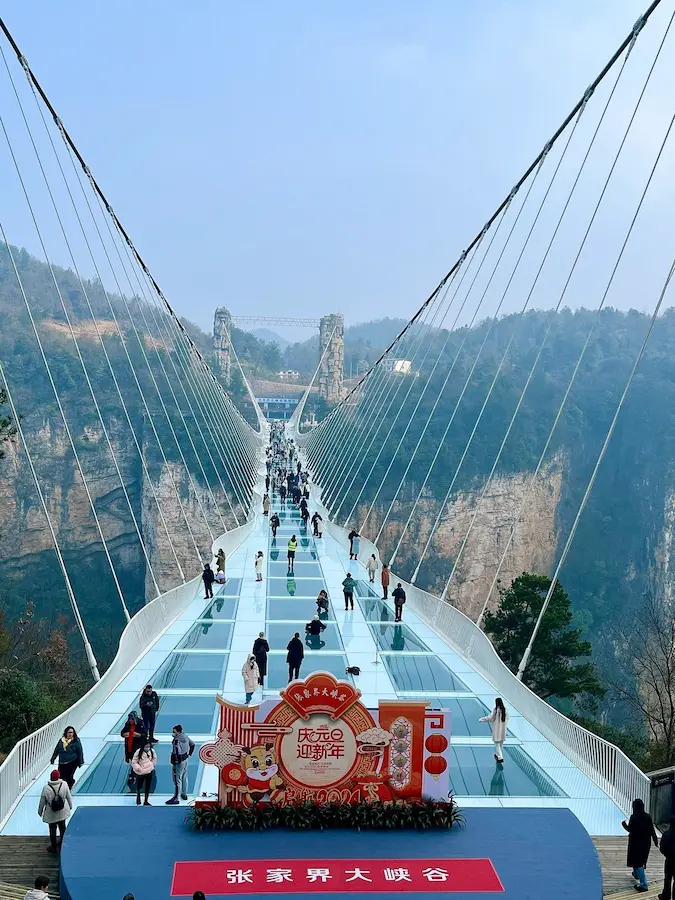
What makes it special: Tianmen Cave, a natural hole in the mountain 131.5 meters high and 57 meters wide. To reach it, you climb the “Stairway to Heaven”—999 steps. Up top, there’s also a glass bridge zhangjiajie china walkway on the cliffside that adds a thrill to the mountain views.
Huanglong Cave
Getting there: Inside the Wulingyuan scenic area.
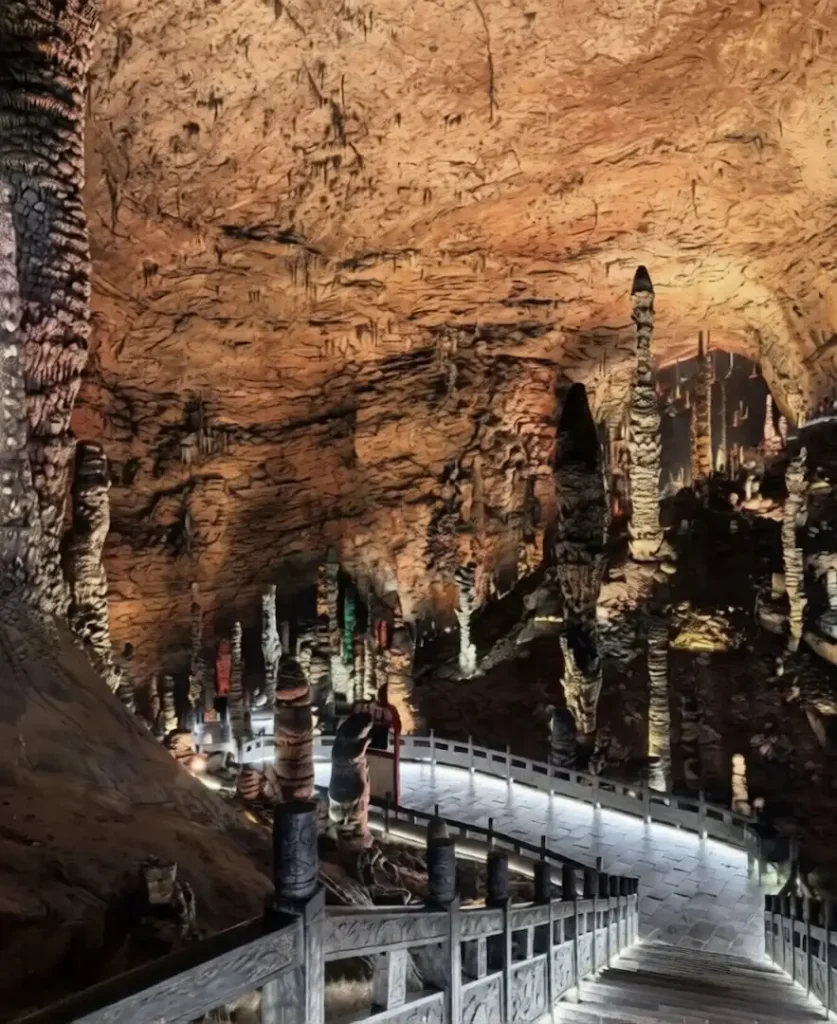
What makes it special: A massive limestone cave system with four layers. You can take a boat ride through an underground river and see stalactites and stalagmites that have grown for millennia.
6.Practical Tips for a Smooth Trip
Getting to Zhangjiajie:
Fly into Zhangjiajie Hehua International Airport or take a train to Zhangjiajie Station (regular trains) or Zhangjiajie West Station (high-speed rail).
Getting to the park:
From Zhangjiajie Central Bus Station (next to the main train station), take a tourist shuttle to the east entrance of the park. The ride takes about 40–45 minutes and costs around 12 RMB (less than 2 USD). A taxi or rideshare runs about 100 RMB (roughly 14 USD).
Moving inside the park:
Shuttle bus: Included with your ticket. Covers most major spots—you’ll use it often.
Cable cars & elevator: Tianzi Mountain cable car, glass bridge zhangjiajie national forest (though the famous glass bridge is actually outside this core area), and Huangshizhai cable car are all extra charges but save you hours of uphill walking.
Walking trails: Great if you’re up for it. For example, from the “Meeting of the Lovers” spot on Golden Whip Stream, you can hike up to Yuanjiajie in about two hours.
Where to stay:
In Wulingyuan town (at the base): More hotels, restaurants, and shops—good for most travelers.
Inside the park: A few guesthouses that let you experience the mountains at dawn and dusk. Book at least two days ahead, especially in busy seasons.
7.A 3-Day Plan That Works
Day 1: Enter through the east gate. Ride the bailong elevator in zhangjiajie china up to Yuanjiajie. Visit the real Avatar Hallelujah Mountain Zhangjiajie China, Mihun Tai, and the World’s First Bridge. Take the shuttle to Tianzi Mountain to see He Long Park and the Xihai Stone Forest. In the evening, catch a local cultural show like Tianmen Fox Fairy or Tima Divine Song. Between the towering peaks and the mist, you’ll see why Avatar Hallelujah Mountain Zhangjiajie China feels like stepping into another world.
Day 2: Head to Tianmen Mountain in the morning. Ride the cable car, walk the glass bridge zhangjiajie china path, and climb the stairs to Tianmen Cave. Spend the afternoon exploring Huanglong Cave.
Day 3: Start the day with a relaxed walk along Golden Whip Stream. Finish with a visit to Ten-Mile Gallery—take the small train or walk the path. After that, you’re ready to head out or connect to your next destination.
Combine with other places: Zhangjiajie pairs well with Fenghuang Ancient Town, a historic riverside town known for its stilted houses. Buses and trains make the trip easy. No matter how you explore, the landscapes around Avatar Hallelujah Mountain Zhangjiajie China stay with you long after you leave.
8.A Few Things to Keep in Mind
Wear solid shoes: The trails are steep and sometimes uneven. A waterproof jacket helps too—mountain weather changes quickly.
Safety first: Don’t lean over railings. If long walks are a concern, use the cable cars and elevators to save energy.
Book ahead: Peak season gets crowded. Reserve tickets through the official “Zhangjiajie Tourism” WeChat account or a trusted travel site. Visit early morning or late afternoon for quieter moments at the main spots.
Pack light: Bring just what you need—a small camera, water, snacks. For most visitors, gloves and trekking poles aren’t necessary.
Respect the place: No drones inside the park. Follow local customs, especially around the Tujia culture. Keep the park clean by sorting your trash.
Souvenirs: Look for lenticular prints that shift between images—they capture the changing light on the peaks and make for a fun take-home memory.
James Cameron once said he wanted to create a world people could believe in. Standing in front of the real Avatar Hallelujah Mountain Zhangjiajie China, you’ll realize he didn’t have to invent much—he just had to find it. Now it’s your turn to walk into that world and see it with your own eyes. Pack your bag, book your tickets, and go stand where the floating mountains begin.
One Comment