Zhangjiajie Weather by Month: Best Time to Visit, What to Pack & Seasonal Tips (2026)
Google can tell you the temperature. This guide tells you what that temperature actually feels like on the trails — and what to do about it.
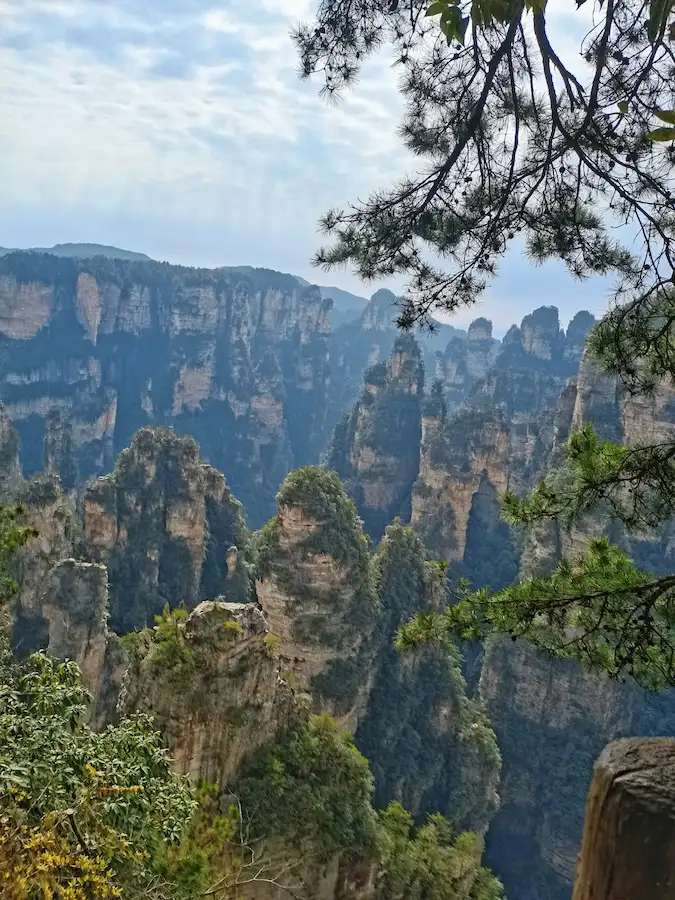
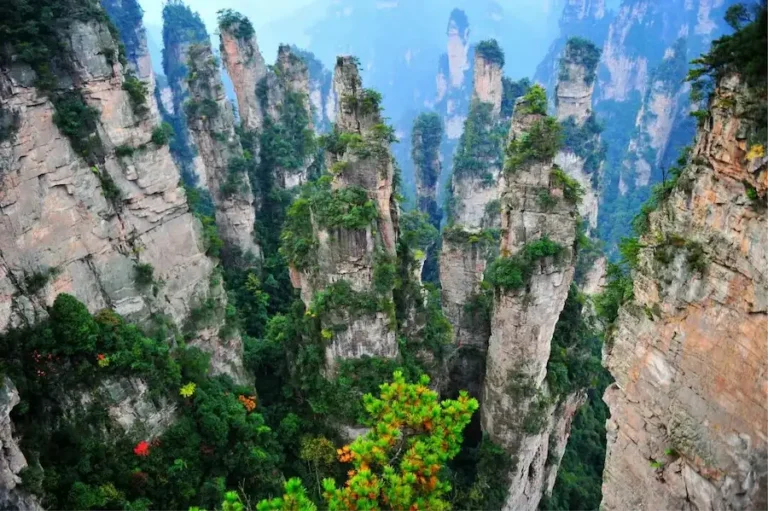
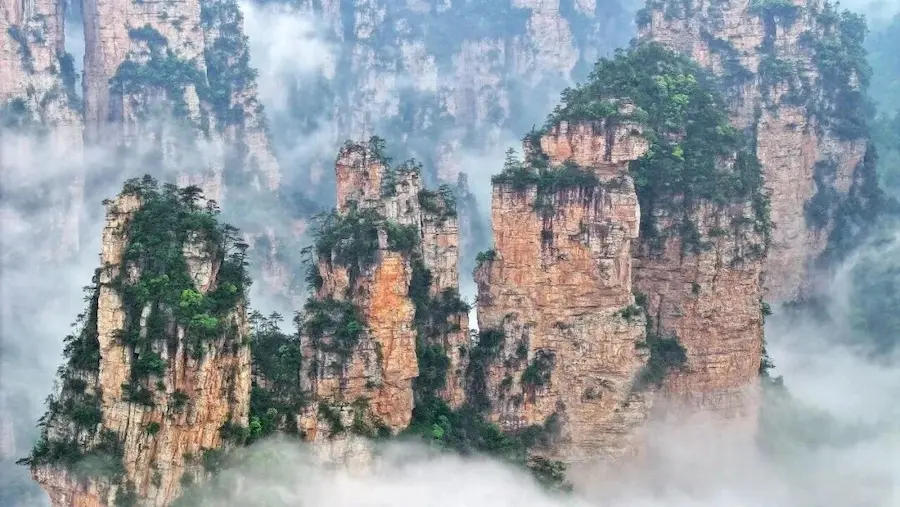
Understanding Zhangjiajie weather is your ticket to a truly magical visit. This alien landscape of towering quartz-sandstone pillars — the inspiration for Avatar’s floating mountains — transforms dramatically with every shift in cloud, rain, and temperature. A crystal-clear morning might give you razor-sharp views, but a misty sunrise after rain can be even more breathtaking. This guide breaks down the Zhangjiajie climate month by month, so you know exactly what to expect and what to pack. For the bigger picture — where to stay, how many days you need, and what to see first — see our [Zhangjiajie travel guide].
- Best Months for Zhangjiajie at a Glance
- Zhangjiajie Climate at a Glance
- Zhangjiajie in Spring (March – May): Blossoms and Misty Mornings
- Zhangjiajie in Summer (June – August): Cool Escapes and Rainy Magic
- Zhangjiajie in Autumn (September – November): Clear Skies and Red Leaves
- Zhangjiajie in Winter (December – February): Snowy Silence and Budget Wins
- Zhangjiajie Temperature by Month: Quick Reference
- What to Pack for Zhangjiajie
- Frequently Asked Questions
- A Few Practical Notes
Best Months for Zhangjiajie at a Glance
Jump straight to what matters to you:
📥 Want the 2026 Zhangjiajie Route PDF?
Get instant access to our 3-page survival guide, crowd-dodging route logic, and local payment hacks.
- Most comfortable months → April, May, September, October Clear skies, comfortable temperatures (15–25°C / 59–77°F), low rainfall, and stunning autumn colors in late October.
- Best for photography → October (autumn foliage + golden light) or January (snow-dusted peaks, fewest tourists, dramatic monochrome landscapes).
- Best for avoiding crowds → November–February (except Chinese New Year). You’ll often have trails almost to yourself. December weekdays are the quietest of the year.
- Best for cloud seas → April–June. After heavy rain, mist wraps around the pillars — the floating mountain effect you see in iconic photos. Visibility is unpredictable but magical when it clears.
- Worst months → July–August (extreme heat, high humidity, peak domestic crowds) and October 1–7 (China’s National Day Golden Week — the park reaches capacity).
Read on for detailed month-by-month breakdowns, temperature tables, and exactly what to pack for each season.
Zhangjiajie Climate at a Glance
Zhangjiajie sits in a subtropical monsoon zone. The city lies at about 183 meters above sea level, but the core scenic areas — Zhangjiajie National Forest Park, Zhangjiajie Tianmen Mountain — rise well above 1,000 meters. That elevation gap creates a temperature difference of up to 10°C between the valley and the peaks. In practical terms: you’ll need an extra layer no matter which month you visit. Average annual temperature hovers around 16–17°C, with yearly rainfall ranging from 1,400 to 1,600 millimeters. This Zhangjiajie weather pattern shapes everything from the misty spring mornings to the crisp autumn skies we’ll explore next.
Zhangjiajie in Spring (March – May): Blossoms and Misty Mornings
Spring wakes Zhangjiajie up slowly. Temperatures climb from the chill of winter into pleasant warmth. Trees turn green, wild rhododendrons and cherry blossoms pop along the trails, and misty clouds drift through the sandstone towers after almost every rain shower. This is Zhangjiajie spring at its best. Spring Zhangjiajie weather can change fast — sunny one moment, drizzly the next — so flexibility is your best friend. The Zhangjiajie rainy season starts to build during these months, with April is one of the wettest months of the year — around 236 mm. Rain usually comes in bursts, so you can still explore — just be ready.
Zhangjiajie in March
Average high 18°C / low 8°C. Zhangjiajie in March still feels cool, especially at higher spots. Crowds are thin, making it a solid pick if you want quiet trails. Late March brings the first scattered blossoms, and cloud seas start appearing more often. Weather in Zhangjiajie in March swings between crisp sunny days and drizzly afternoons. Pack long-sleeve shirts, a warm mid-layer, trousers, and a thicker jacket for mornings and evenings. Is March a good time to visit Zhangjiajie? Yes, if you prefer fewer people and don’t mind a little chill. The Zhangjiajie weather in early spring rewards those who dress in layers.
Zhangjiajie in April
Average high 23°C / low 12°C. This month showcases the most dramatic rhododendron blooms, with clouds swirling around the peaks. Rainfall peaks — monthly precipitation can reach 236 millimeters — so waterproof jackets and grippy hiking shoes are non-negotiable. What to pack for Zhangjiajie in spring really starts with rain gear. Avoid China’s Labor Day holiday (May 1–5) if you don’t enjoy long queues. Some days, the Zhangjiajie weather delivers back-to-back showers followed by sudden clearing — those moments are pure magic for photographers.
Zhangjiajie in May
Average high 27°C / low 16°C. Early summer warmth kicks in. Vegetation is fully green, streams surge, and waterfalls thunder. Rain stays frequent (over 150 millimeters), often as afternoon showers or thunderstorms. After May 5, visitor numbers drop to a more manageable level. Light T‑shirts, a sun‑protective layer, and a packable rain jacket work well. May Zhangjiajie weather already hints at the humid summer ahead, but the lush landscape makes every drop worthwhile. Need ideas for filling your days? Browse things to do in Zhangjiajie before you go.
Zhangjiajie in Summer (June – August): Cool Escapes and Rainy Magic
Summer heat can push city temperatures above 35°C, but the mountains stay 5–8°C cooler — a welcome refuge. This is also peak Zhangjiajie rainy season, especially June and July. Downpours drench the forest and then lift into rolling fog, turning the pillars into a drifting dreamscape. That said, humidity is high, and views can vanish behind thick clouds. July and August coincide with school holidays, so daily visitor numbers often exceed 50,000. Queue times for the cableways and the Bailong Elevator run 30–60 minutes in peak season, and a few minutes off-peak. Tracking Zhangjiajie weather updates each morning helps you dodge the worst of the downpours.
Zhangjiajie in June
Average high 30°C / low 20°C. Rain falls heavily and often (over 200 millimeters). The forest is at its lushest, and waterfalls roar at full power. Early June still offers a small window before the full summer crowds arrive. Quick‑dry clothing, rain gear, and sunscreen are your best friends. Weather in Zhangjiajie in June demands flexibility — sometimes you’ll wait out a downpour for that perfect post‑rain glow. Summer Zhangjiajie weather makes the landscape feel alive, even if you’re occasionally damp.
Zhangjiajie in July
Average high 33°C / low 23°C. The hottest month, with short violent afternoon storms rather than all-day rain. Thunderstorms can temporarily shut down cable cars, so check the Zhangjiajie weather forecast each morning. Adopt the “early in, early out” strategy: arrive before 7 am to beat the lines. Breathable clothes, a sun hat, and a solid rain jacket are essential. What to pack for Zhangjiajie in summer also includes mosquito repellent — bugs thrive in the damp warmth. The dramatic Zhangjiajie weather in July creates the cloud seas that make those iconic photos possible.
Zhangjiajie in August
Average high 32°C / low 22°C. Similar to July, but rain tapers slightly. It’s still packed with families. Late August, just before school resumes, gives you a slightly calmer window. Accommodation prices peak during this period; booking ahead saves stress and money. Even at the height of summer, the mountain Zhangjiajie weather can feel fresh once you’re above the valley.
Zhangjiajie in Autumn (September – November): Clear Skies and Red Leaves
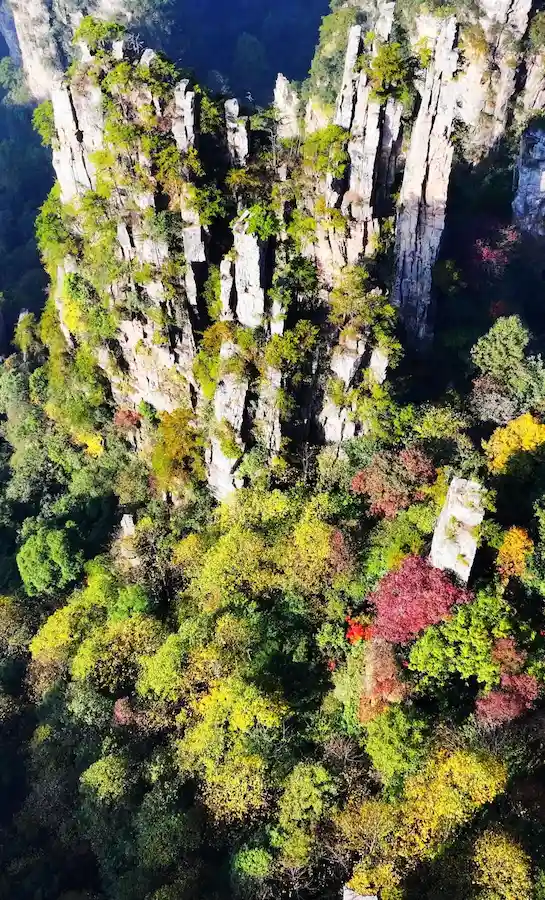
For many, this is the most reliable season to visit. Rainfall drops sharply, sunny days dominate (over 70%), and visibility reaches its annual best. The Zhangjiajie autumn palette glows with red maple and golden ginkgo leaves set against grey-green stone pillars. Temperatures are mild and comfortable. After months of summer humidity, the Zhangjiajie weather finally stabilizes, giving you reliable blue skies and crisp mountain air. Just be aware of the National Day holiday (October 1–7), when the site sees some of its heaviest crowds all year. For a deeper look at timing your trip, see our best time to visit Zhangjiajie guide.
Zhangjiajie in September
Average high 28°C / low 18°C. A transitional month. Early September still carries a hint of summer, but by mid‑month the air turns crisp. Rainfall plunges, and the summer crowds have gone. This is an ideal time for outdoor spots like Tianmen Mountain and the Grand Canyon Glass Bridge. Carry a light jacket for the cooler mountain evenings. September Zhangjiajie weather strikes a perfect balance between warmth and clarity.
Zhangjiajie in October
Average high 24°C / low 13°C. Peak foliage season. Temperatures are cool and comfortable (13–24°C). Avoid October 1–7 at all costs. After the holiday, visitor numbers drop by roughly 40%, and accommodation prices fall 20–30%. What to pack for Zhangjiajie in autumn: long-sleeve layers, a fleece, and a light down jacket for the summit areas where the temperature swings are sharpest. October delivers the most photogenic Zhangjiajie weather of the year — gold leaves, deep blue skies, and sharp visibility to the farthest peaks.
Zhangjiajie in November
Average high 19°C / low 8°C. The colors start to fade, but early winter cloud seas begin to roll in, mixing with the last of the autumn leaves. Crowds thin further — perfect for peaceful walks. Layer up with a fleece, windproof jacket, and a light down jacket. The cold hasn’t fully set in, but the peaks can bite. Late autumn Zhangjiajie weather carries a quiet beauty that rewards the unhurried traveler.
Zhangjiajie in Winter (December – February): Snowy Silence and Budget Wins
Winter turns Zhangjiajie into a black‑and‑white ink painting. Temperatures stay low, often below freezing at higher elevations. The reward? Frosted rime ice coating every branch, snow dusting the pillars, and visitor numbers dropping to a fraction of peak season. Accommodation and entry tickets get cheaper. Some high‑altitude trails may close temporarily due to ice, so always confirm access before setting out. Winter Zhangjiajie weather asks for patience, but the quiet, snow‑draped peaks are worth every chilly minute.
Zhangjiajie in December
Average high 12°C / low 3°C. Zhangjiajie in December brings the season’s first likely snowfall. Does it snow in Zhangjiajie in December? Yes, especially above 1,000 meters. Zhangjiajie snow transforms the landscape into a serene white kingdom. Dress in three layers: thermal base, fleece mid, and a windproof waterproof down jacket. High‑top non‑slip winter boots and micro‑spikes help on icy paths. Hand warmers keep your phone alive in the cold. Monitoring the Zhangjiajie weather forecast becomes essential in December — snow can arrive suddenly and elevate the scenery overnight.
Zhangjiajie in January
Average high 11°C / low 2°C. The coldest month, and the best for Zhangjiajie winter scenery — rime ice and snowy peaks are most reliable now. Tianmen Mountain’s glass walkway coated with snow takes on an extra thrill. Tourist numbers hit rock bottom, so accommodation is at its cheapest. Pack the same as December, and check the Zhangjiajie weather forecast for any sudden temperature drops. Frigid Zhangjiajie weather in January frames the pillars in glittering ice, a sight few visitors ever experience.
Zhangjiajie in February
Average high 13°C / low 4°C. Temperatures inch upward. Snow and ice still appear. Watch out: if Chinese New Year falls in February, a short spike of domestic tourists arrives, and prices jump. Book everything well ahead if your dates overlap. What to pack for Zhangjiajie in winter is the same heavy‑duty cold‑weather kit — don’t underestimate the damp chill. Late winter Zhangjiajie weather teases spring but can still deliver a surprise snowfall that turns the forest silent and white.

Zhangjiajie Temperature by Month: Quick Reference
These are Zhangjiajie city figures. On the peaks, subtract 5–10°C.
| Month | City lows–highs (°C) | Rainfall | Crowds | Highlight |
|---|---|---|---|---|
| Jan | 2–11°C | Low | Very low | Snow, rime ice |
| Feb | 4–13°C | Low | Low (extreme at CNY) | Late snow, possible holiday rush |
| Mar | 8–18°C | High | Low | First blooms, more cloud seas |
| Apr | 12–23°C | High | High | Rhododendrons, dramatic mists |
| May | 16–27°C | High | High | Lush green, strong waterfalls |
| Jun | 22–28°C | Very high | Medium‑high | Misty forests, fewer early crowds |
| Jul | 20–30°C | Very high | Extreme | Waterfalls, summer escape |
| Aug | 23–33°C | High | Extreme | Slightly drier, late‑month lull |
| Sep | 18–28°C | Low | Medium | Clear skies, pleasant warmth |
| Oct | 13–24°C | Low | Extreme (Oct 1–7), low after | Peak foliage, best visibility |
| Nov | 8–19°C | Low | Low | Early winter clouds, quiet trails |
| Dec | 3–12°C | Low | Very low | First snow, serene solitude |
What to Pack for Zhangjiajie
No matter the season, a few items always make the list: waterproof hiking shoes with good grip, a lightweight rain jacket (umbrellas are useless in mountain wind), sunscreen, and a portable power bank (cold drains batteries fast). Layering is the golden rule — the temperature gap between valley and peak can be stark. What to pack for Zhangjiajie in each season is covered above, but always throw in a light fleece or jacket, even in summer. Adapting your kit to the Zhangjiajie weather you’re likely to meet is the simplest way to stay comfortable on the trails.
Frequently Asked Questions
Is March a good time to visit Zhangjiajie?
Yes, if you enjoy cooler weather, fewer tourists, and the first hints of spring bloom. Do pack warm layers and rain gear — weather in Zhangjiajie in March is unpredictable. The Zhangjiajie weather in March asks for a little patience, but it gives back empty trails and soft light.
Does it snow in Zhangjiajie in December?
Yes, especially at higher elevations. Zhangjiajie snow usually arrives in December and can last through February, creating a stunning monochrome landscape. Watching the Zhangjiajie weather turn those pillars white is unforgettable.
What is the rainy season in Zhangjiajie?
The main Zhangjiajie rainy season runs from March through June, with June and July receiving the heaviest rainfall. Showers are often intense but short, and they produce the best cloud seas. Don’t let rain deter you — some of the most dramatic Zhangjiajie weather moments happen right after a storm passes.
How do I check the Zhangjiajie weather forecast?
Use reliable global weather apps and cross‑check with local Chinese services or your accommodation’s advice. Conditions in the mountains can differ sharply from the city forecast. Up‑to‑date Zhangjiajie weather data helps you time your cable car rides and viewpoints.
What is the best month for Zhangjiajie weather?
April, May, September and October are the most comfortable months: mild days, low humidity and the clearest skies. For the exact week we’d book, see our [best time to visit Zhangjiajie] guide.
Where can I find the daily weather forecast for Zhangjiajie?
For up-to-the-minute daily forecasts, we recommend AccuWeather or the Weather China mobile app — both offer reliable short-term predictions for the Zhangjiajie area. This guide focuses on what a forecast alone can’t tell you: what each month actually feels like on the trails, what to pack, when to go for the best experience, and how to plan around fog, crowds, and seasonal conditions.
A Few Practical Notes
Entry tickets: Zhangjiajie National Forest Park charges 239 CNY (about 34 USD) for a 4-day pass. Tianmen Mountain costs 258 CNY (about 36 USD) including the cable car. The Bailong Elevator costs 65 CNY (about 9 USD) one way. Prices are approximate; exchange rates vary. Book tickets online at least three days ahead during busy periods. Popular areas operate timed entry slots.
The wild macaques in the park are fun to watch, but never feed them or show food openly. Stick to official paths and respect the local Tujia and Miao customs. For glass‑bottom thrills and canyon walks, don’t miss the Zhangjiajie Glass Bridge — a clear‑day stunner where the Zhangjiajie weather reveals the full depth of the gorge beneath your feet.
The peaks don’t mind a little rain or frost. Start watching the Zhangjiajie weather forecast, pack your bag, and go meet those pillars in person. When the mist lifts and the first rays hit the stone, you’ll know you made the right call.
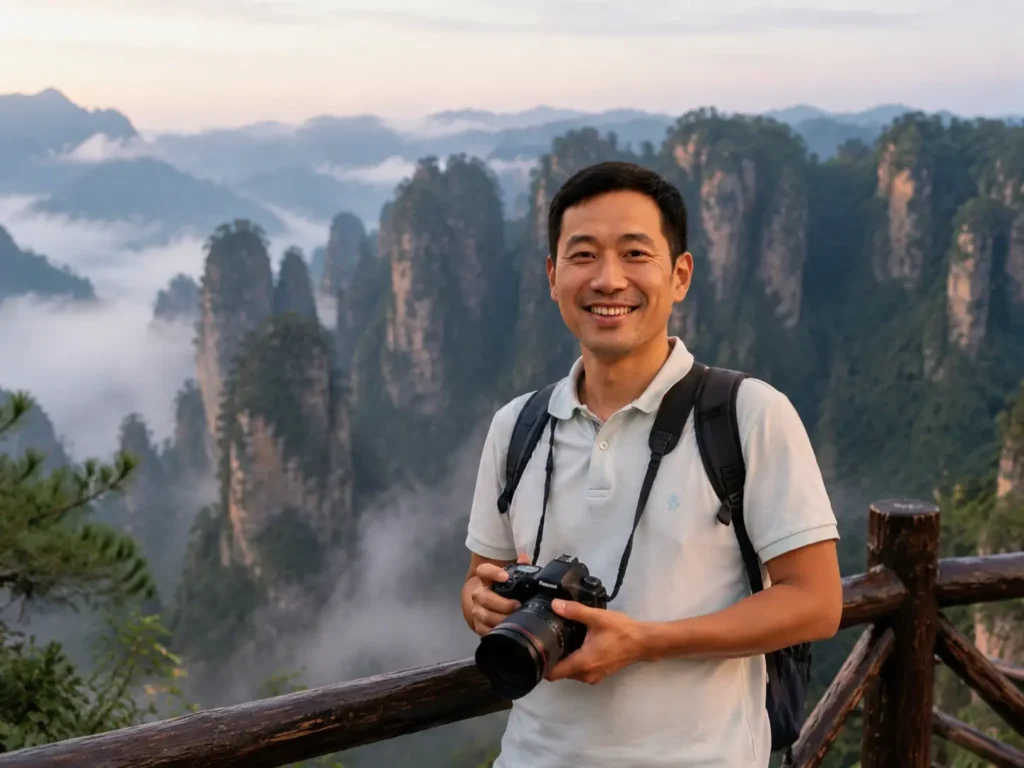
Hi, I'm Ke Ping — let me plan your Zhangjiajie trip
Certified China Travel Specialist · Certificate details
Instead of spending hours piecing everything together, I'll build the perfect itinerary for you — tickets, transport, and secret spots.
📋 Plan My Zhangjiajie TripOR JUST WANT THE GUIDE?
Not ready to book? Get our free 3-page PDF guide
Instant access to 2026 route logic, crowd tips & payment hacks.